
I'm not exactly sure how the relationship started, but a few years ago, the widow of a photographer got in touch with me to help her with things around her house, as well as with her late husband's photography archive.
In the beginning, it was mostly me doing odd jobs around the house, bringing things to donate, and mixing that in with working on the photography archive. I helped organize his photographs, scan his work, articles, and other things from his life as a photographer. We also built a website and started putting together an archive of his life and work.
I was paid with a combination of money and photographs. She eventually wanted his work to go to an organization or museum collection, and she got in touch with someone at the NYS Museum in Albany. After some conversations and a visit to see the work, they're now taking a good amount of his prints. A lot of that work was organized by me and another person the widow hires to help with odd jobs around her house.
One of my favorite bodies of work he did was a series called OLD AGE, where he documented an old age home. Some of those photographs are amazing. He also did some really cool work documenting the streets of NYC, which I particularly like. Anything old-school NYC, I love.
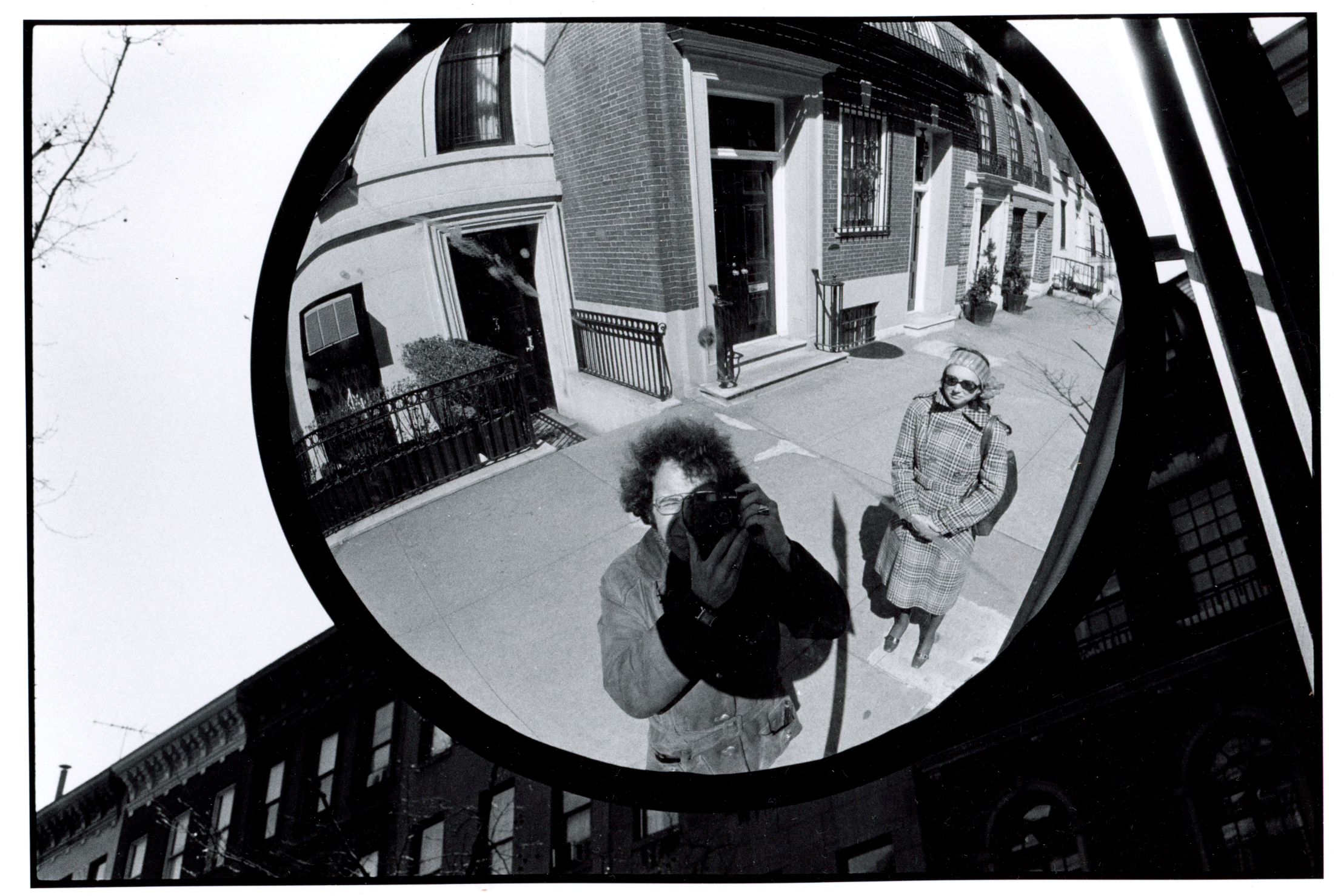
I am not sure on the longevity of his website but here is a summarized version of his wifes bio on his website ( click the link to see his work)